Post-Renovation Duct Cleaning in Toronto
Post-Renovation Duct Cleaning Toronto
The renovation may be complete, but some dust probably did not get cleaned up.
There are many activities like drywall sanding, demolition, flooring, drilling, carpentry, and others which produce large amounts of fine dust and loose debris. Most of this dust and debris settles on surfaces, but some dust and debris can get distributed to HVAC systems, ducts, and vents when the contractors expose the HVAC system during renovation.
Believer Duct Cleaning provides post-renovation duct cleaning to the Toronto area and the surrounding areas for properties where renovation dust and debris have gotten into the air-distribution system.
A renovation does not mean that your air ducts need to be cleaned.
If dust and debris have gotten into the duct systems, professional air duct cleaning of affected areas is necessary after major dust-producing activities are done. In most situations, cleaning will not be necessary if dust was properly contained and the duct systems remain clean during renovation.
What Is Post-Renovation Duct Cleaning?
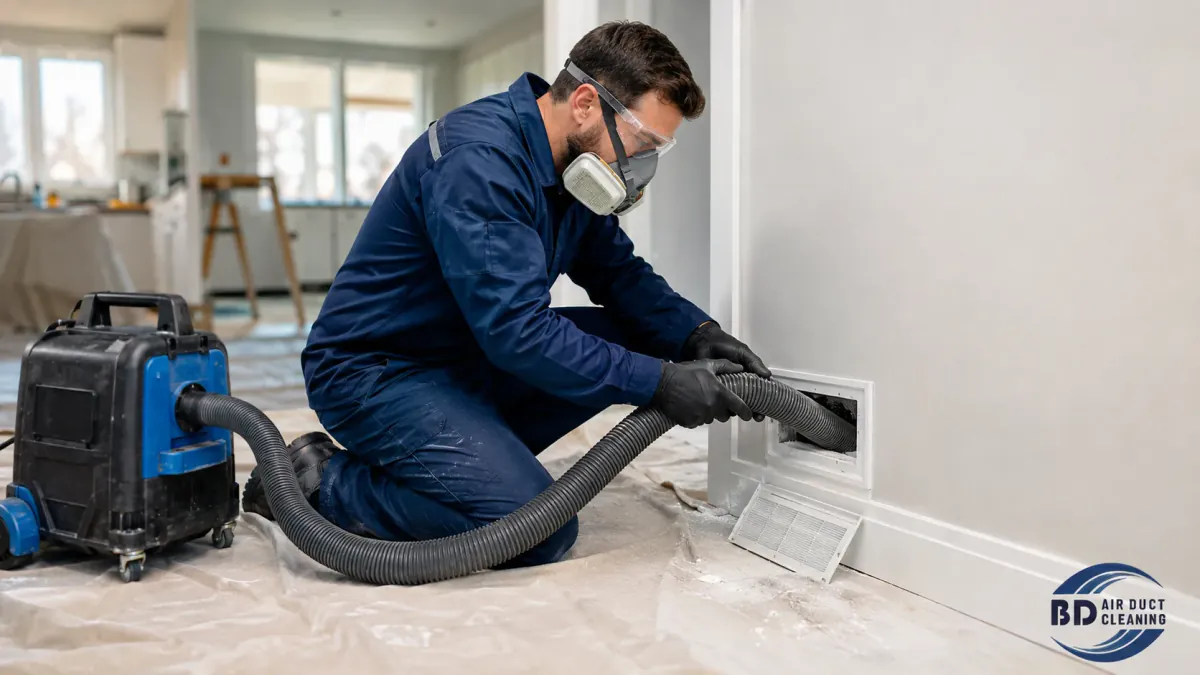
Post-renovation duct cleaning addresses construction dust and debris that have entered your property's air-distribution system during renovation.
The scope and condition of the property will determine the extent of cleaning.
This may include:
- HVAC supply and return ducts
- Duct and air-distribution vents
- Grilles
- HVAC components and other air-distribution system areas related to the cleaning task
This should not be confused with a normal post-renovation cleaning of a property.
Regular cleaning addresses surfaces like floors, walls, and furniture. Post-renovation duct cleaning addresses construction dust located in the air-distribution system.
While finding dust in a newly renovated room doesn't necessarily indicate dirty ducts, the HVAC system should be considered separately.
Do I Need Duct Cleaning After Renovation?
Cleaning isn't necessarily required after a renovation.
The most important question is:
Did construction dust reach the ductwork or the HVAC system?
Cleaning could be justified if:
- Dust covered supply vents
- Return-air ducts were exposed
- Heating or air conditioning was turned on during the construction process
- Visible dust from construction was in the supply vents
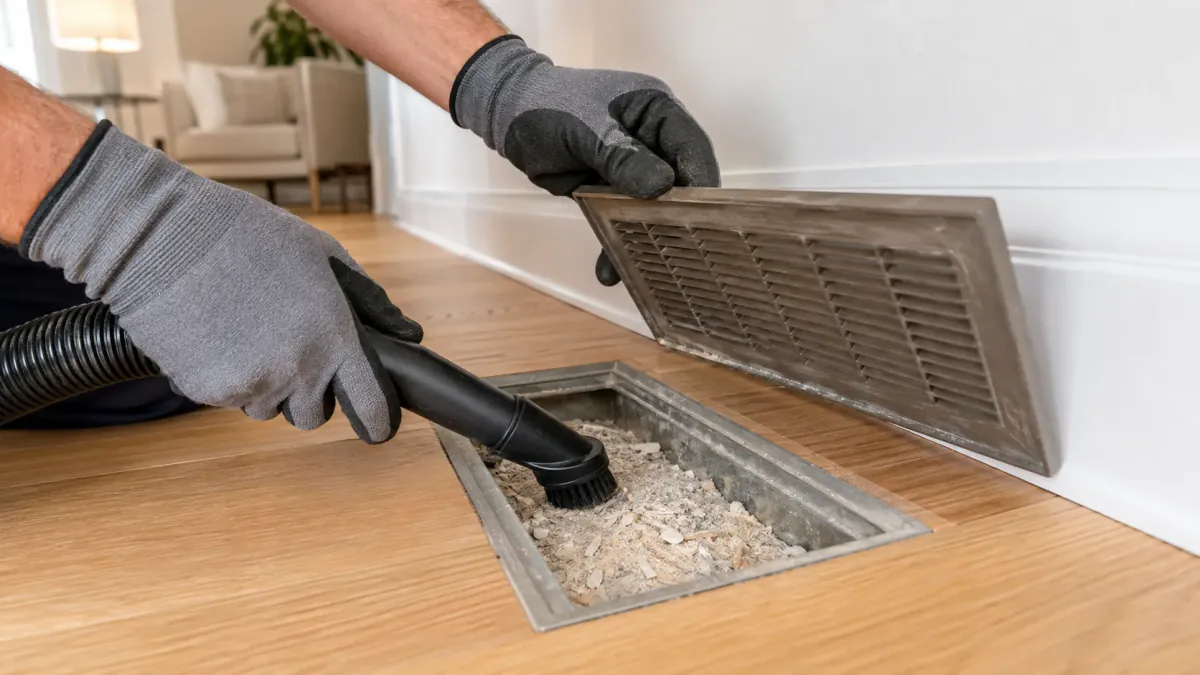
- Sawdust or construction debris fell in the floor vents
- HVAC ducts were left uncovered
- Renovation materials were left visible in accessible ducts
- There was a significant amount of construction and dust was likely to have entered the nearby ducts and systems.
Cleaning may not be needed if the construction dust was contained, and ducts and nearby accessible systems remained covered.
How Does Renovation Dust Get Into Air Ducts?
During the renovation process, there is a nearby operational HVAC system.
Different pathways exist to create a pathway for dust to the system.
- Duct supply vents: Demolition, sanding or cutting dust will spread to the exposed supply vents.
- Return-air ducts: Dusty air movement occurs with the operation of the HVAC system, making exposed return ducts a concern during the renovation process.
- Duct floor registers: Vents allow construction debris, dust and small particles to fall and collect directly in the floor duct.
- HVAC operation: Environmental airborne turbulence caused by the use of heat or ventilation during sanding, cutting, and demolition may lead to contamination of system components.
- Incomplete protection: Leaving renovation vents uncovered at any stage means covering them at another is not complete protection.
Fine dust can get past the room being renovated, but it doesn't necessarily mean your entire duct system is compromised.
Which Renovation Projects Deserve More Attention?
The type and extent of renovations may indicate the probability of exposure of the HVAC system.
Drywall and Sanding
The risk of exposure from sanding drywall becomes a concern after operating the HVAC system or exposing return or supply ducts.
Demolition
Exposure becomes a concern after major demolition of dry or brittle construction material because it may kick up dust and loose debris.
Kitchen and Bathroom Remodeling
Drywall, tile, cabinet removal, flooring, drilling, and demolition may all create dust. Where the renovations take place is less of a concern with the protection systems in place.
Basement Renovations
Basement renovations such as finishing may involve sanding, carpentry, and construction near HVAC systems and major duct systems.
Whole-Home Renovations
A large, whole-home renovation may expose multiple supply and return ducts. A broad assessment may be warranted following extensive demolition, sanding, or new flooring installations.
Regardless of the extent of the renovation, a small cosmetic project should not warrant the same level of concern as a complete renovation.
Signs Renovation Dust Reached Your HVAC System
If you notice any of the following signs, have the relevant areas assessed:
- Drywall dust found around or in vents
- Sawdust or loose debris in floor registers
- Construction materials found below accessible grilles
- Visible fine debris in accessible duct areas
- Returns that were not covered during the renovation
- Heavy use of the HVAC system during sanding or demolition
- Visible dust on HVAC components
- An unknown history of vent protection
These situations warrant further investigation, but do not conclusively warrant a complete system clean.
What Does Post-Renovation Duct Cleaning Include?
The extent of work that is required will depend on what was renovated.
Supply and Return Ductwork
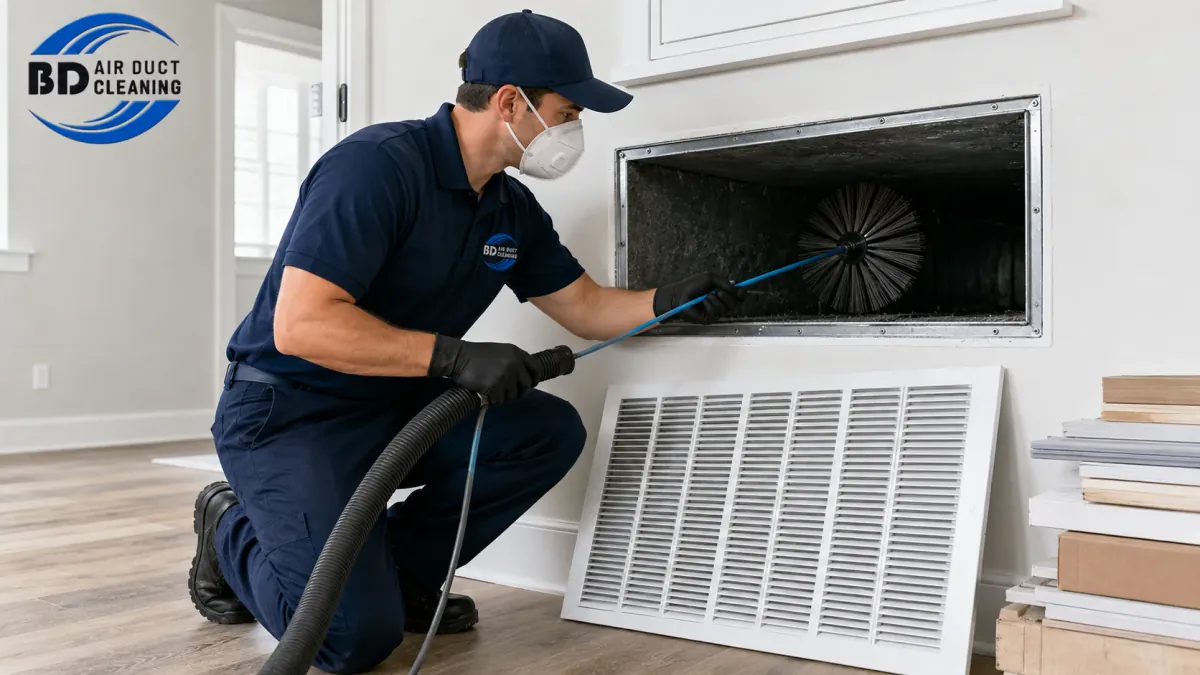
Dust or loose debris that remains after renovation can be cleaned.
Vents, Registers, and Grilles
During renovation, accessible vent areas can collect construction materials.
Other Air Distribution Areas
If construction materials build up in other accessible areas that are in our confirmed cleaning scope, those can be addressed.
HVAC Components
If renovation dust affected HVAC components, a more extensive HVAC cleaning can be done.
HVAC CleaningGenerally, the rule of thumb is that the post-renovation duct cleaning does not include normal construction cleanup, carpet or floor cleaning, removal of waste, HVAC repairs, electrical work, refrigerant work or cleanup of hazardous materials.
When Should Air Ducts Be Cleaned After Renovation?
Generally, cleaning should occur after the majority of dust causing work is completed.
Dust generated when cleaning the ductwork will mix with dust generated from other work like sanding, flooring, or demolition, meaning the duct cleaning work will have been wasted.
A better systematic approach would be complete major renovation work, clean up the site, evaluate relevant HVAC segments, clean ducts and HVAC segments as needed, then return to normal activity.
There are no significant "wait periods" (i.e. after a week, two weeks, or a month).
The importance of the renovation phase trumps the necessity of the calendar.
If contractors will sand drywall tomorrow throughout the property, cleaning ducts today would be premature.
What happens if the contractors cover the vents?
HVAC openings can be covered and the opportunity for construction dust to enter the HVAC system can be eliminated or significantly reduced.
- Did supply vents have covers?
- Were the returns covered?
- During the cutting, sanding, and demolition, did the covers remain in place?
- Was the HVAC system operational?
- Were construction covers removed after dusty work was completed?
- Is there currently any visible construction debris?
If the system was protected and the related areas were kept clean, post-renovation duct cleaning may not be needed.
If the HVAC system was running during the renovation, did the contractors sand, cut, or demolish? What about openings and duct system conditions? What about the condition and orderliness of the duct system and HVAC?
It helps to know those factors to see if you need to get your ducts cleaned, if you need to replace your filters, if you need to have a deeper clean of your HVAC system, or if you just don't need to have any cleaning done at all.
Should I Replace My HVAC Filter After Renovation?
Take a look.
Renovation has the potential to subject an HVAC filter to an unnecessary amount of dust. This tends to happen when the system is run during the construction process.
Whether it is worth replacing the filter depends on:
- The condition of the filter
- The type of filter
- The recommendations from the manufacturer
- How much renovation dust was generated
- The time the HVAC was run
- How many times the filter has been replaced
HVAC filter replacement and duct cleaning are two different tasks.
Replacing the filter does not remove construction debris from the ducts; likewise, cleaning the ducts does not eliminate the responsibility of filter maintenance.
Post-Renovation Duct Cleaning vs. Regular Air Duct Cleaning
While the work is similar, the reasoning behind the service is different.
Regular Air Duct Cleaning is used to take care of normal buildup while a property is occupied.
Post-Renovation Duct Cleaning is used to address construction or renovation within a property.
Post-Renovation vs. New Construction Duct Cleaning
Both services address construction-related dust, but the circumstances are different.
Post-renovation cleaning is for an already built property that has been renovated. The HVAC system will have years of use, and the property will remain occupied while a portion of the construction will have been done on different sections of the property.
New Construction Duct Cleaning is for a newly built property that is being occupied for the first time.
What other HVAC-related issues or concerns should be considered?
Post-renovation duct cleaning addresses relevant dust and debris within the duct and supported HVAC cleaning scope; it is not a remedy for every renovation-related concern.
If inappropriate materials have reached the broader components of the HVAC system, Believer can determine if a separate confirmed HVAC cleaning service is warranted.
In a similar vein, professional duct cleaning will remove some of the appropriate materials from the service area, but it should not be implied that they will remove all the renovation dust from the property.
Dust can remain on the furniture, floors, walls, cabinets, rugs, and other surfaces that are beyond the duct-cleaning scope.
Duct cleaning is not presented as a treatment for health conditions or as a way to eliminate allergy or asthma symptoms.
Known or suspected hazardous materials should be addressed by an appropriate professional approach and not by post-renovation duct cleaning.
How Long Does Post-Renovation Duct Cleaning Take?
There is no one single duration for all the services.
A major factor in determining duration is the size of the property.
Other factors include the configuration of the duct system, the number of HVAC systems and the number and location of relevant vents, the size of the renovation, the volume and type of debris left behind, and the degree of accessibility.
If related HVAC cleaning is required, this also has an impact.
The cleaning requirements for a small targeted renovation may be very different from a large-scale, whole house renovation.
In these cases, it is imperative to scope out the cleaning services in advance to accurately provide a quote.
How Much Does Post-Renovation Duct Cleaning Cost in Toronto?
The post-renovation duct cleaning price will depend on the property and what is required to be cleaned.
Important pricing factors can include:
- Property size: With small properties there's a limit to how big the air-distribution system can be.
- Duct configuration: The design of the system impacts the work required.
- Renovation size: One room versus an entire house can create very different conditions.
- Type of work: Dust-heavy demolition will create greater need for cleaning than minor cosmetic work.
- Amount of dust or debris: The amount should be considered, even if the dust or debris is light versus substantially visible construction debris.
- Accessibility: The work required is impacted by the access to the relevant ducts and HVAC.
- Number of HVAC systems: Multiple systems will require a larger scope of work.
- Additional cleaning: Cleaning of vent or HVAC components may impact the overall cleaning cost.
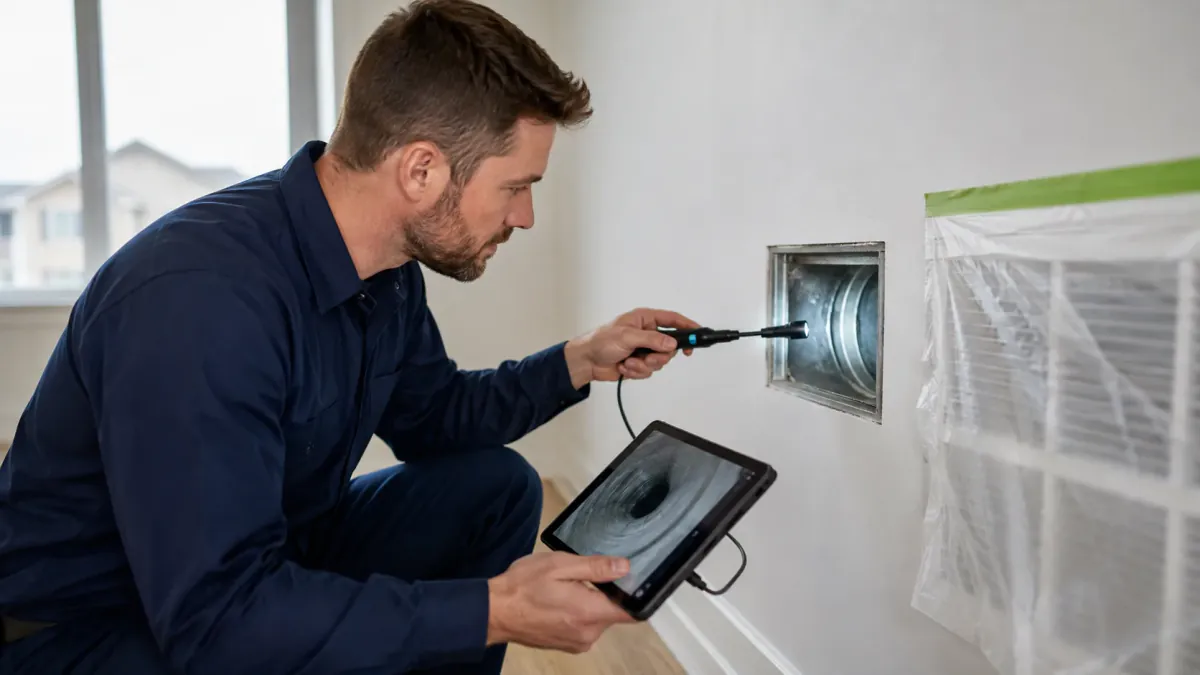
What Should I Tell Believer When Requesting a Quote?
Information that will most likely help include remodeled rooms, if and what type of remodeling was done, if drywall sanding or demolition was done, if vents and returns were covered, if the HVAC was running during construction, and if major dusty work is complete.
Additionally, noticeable construction debris, how big the property is and how many HVAC systems are present, visible construction debris in photos, and if vents are visible are all good things to include.
The more information Believer has, the easier it is to determine the scope of cleaning needed.
Why Choose Believer for Post-Renovation Duct Cleaning?
A post-renovation customer should not be sold every available cleaning.
The Believer's Service structure allows proper conditions to determine the best pathway.
Should the relevant vents be the only ones needing attention, the service can focus there.
Should renovation debris get into ducts, air duct cleaning would attend to the relevant sections.
If the relevant building materials reached other components of the HVAC system, then other HVAC system cleaning may be in order.
In the interest of the system being safeguarded and being kept clean, cleaning would not be justified.
The aim is to align the service with what the renovation affected.
Post-Renovation Duct Cleaning in Toronto and the GTA
Believer Duct Cleaning serves Toronto and confirmed surrounding service areas, including:
- Toronto
- Etobicoke
- North York
- York
- Scarborough
- Vaughan
- Woodbridge
- Brampton
- Mississauga
- Markham
Please let us know what kind of renovation was done and what you have observed regarding the duct or the HVAC System.
Frequently Asked Questions
Do I need duct cleaning after every renovation?
No. Cleaning is most relevant when construction dust or debris got into the duct or the HVAC system. Vent protection, HVAC operation and the current system should decide if cleaning is required.
How long after renovation should I clean my air ducts?
There is no prescribed time frame. If cleaning is warranted, it should be done after the major dust-producing construction work is complete.
Should I clean ducts after drywall sanding?
An evaluation should be done if significant drywall dust was produced and there was HVAC exposure or system operation during the work. Drywall Sanding by itself does not warrant cleaning.
What happens if all the vents are covered?
Debris is less likely to enter the system if the opening is covered. Protection that stays on during the cleaning process may keep the system clean enough that no cleaning is required.
What happens if my HVAC system runs during the renovation?
Inspect the filter and the rest of the system. HVAC running during the renovation increases the need to inspect the system, but doesn't mean the whole duct system will need to be cleaned.
Should the HVAC filter be replaced after renovation?
Examine the filter and check the manufacturer recommendations. Heavy renovation dust will build up fast in a filter.
Air Filter ReplacementWill a duct cleaning remove dust from the renovation?
No. Duct cleaning covers only a portion of the system. Dust on the floors, walls, and furniture also requires cleaning.
Is a post-renovation duct cleaning different from routine duct cleaning?
They may overlap cleaning tasks, but post-renovation duct cleaning is for cleaning the system due to the renovations to the property.
How long does a post-renovation cleaning take?
The length of time it takes is based on the size of the property, the configuration of the HVAC system, the extent of the renovation, how much debris is in the system, access to the duct work, and what cleaning tasks are scheduled.
How much does a post-renovation duct cleaning cost in Toronto?
The price is determined by the size of the property, the configuration of the ducts, the extent of the renovation, the amount of debris, how accessible the ducts are, and the cleaning tasks that are required. Request a quote for your property.
Request Post-Renovation Duct Cleaning in Toronto
Wondering if the dust from your renovations settled in your ducts?
At Believer Duct Cleaning, let us know the renovations done, the protection on the vents, if the HVAC was on throughout the renovations and if you've noticed anything since the work was complete.
We use that information to develop a detailed cleaning protocol instead of suggesting the same post-renovation duct cleaning as every other renovated building.